The Gold-to-Silver Ratio: What It Tells You and How People Use It
How many ounces of silver buy one ounce of gold? What the gold-to-silver ratio measures, where it has stood through history, and why it is a lens rather than a signal.
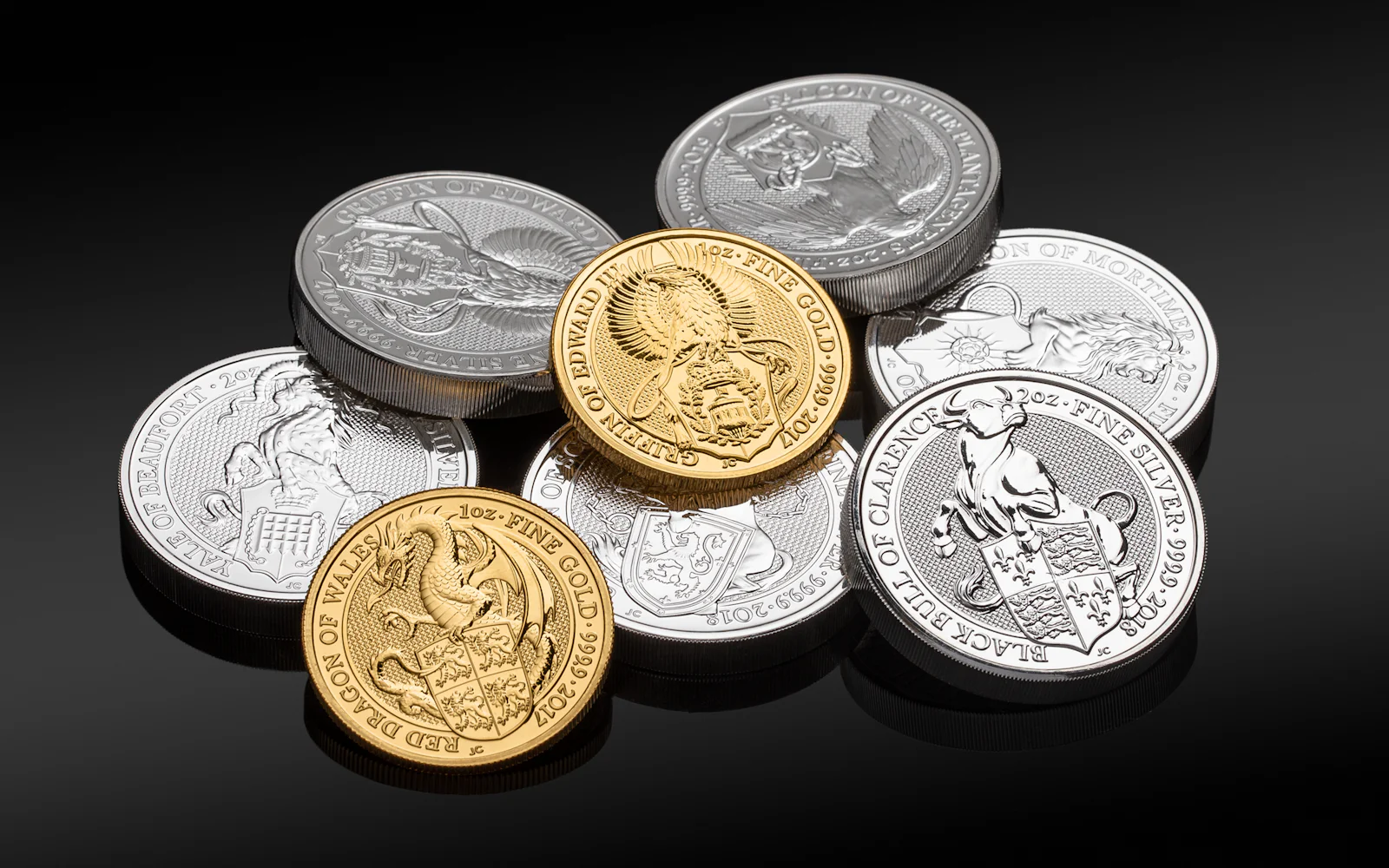
Gold and silver usually move in the same direction, but rarely at the same speed. The gold-to-silver ratio puts a single number on that relationship, and it is one of the most quoted figures among people who hold both metals.
What the ratio measures
The ratio is simply the gold price divided by the silver price, with both quoted in the same currency and unit:
Gold-to-silver ratio = gold price per troy ounce ÷ silver price per troy ounce
Example with round numbers: gold at $3,000 and silver at $40 gives a ratio of 75. One ounce of gold buys 75 ounces of silver.
Because the currency cancels out, the ratio is the same in dollars, euros or lira — as long as both prices use the same currency and unit.
Where it has been
- For centuries, governments fixed the ratio by law. The United States set it at 15 to 1 in 1792, and many European coinage systems used similar values.
- Once those fixed systems ended, the ratio began to float — and swing widely.
- It fell below 20 at the peak of the 1980 silver spike, and rose above 100 several times since, most dramatically in March 2020, when it briefly passed 120.
- Over recent decades it has spent most of its time somewhere between roughly 50 and 90.
There is no law of nature that pulls it back to any particular number. The ratio reflects two very different markets: gold is driven mostly by investment and central-bank demand, while more than half of silver demand comes from industry — electronics, solar panels and more.
How people use it
Choosing which metal to add. Some buyers who want both metals add to whichever looks cheaper relative to the other: silver when the ratio is high, gold when it is low.
Swapping between metals. A smaller group trades one metal for the other at extreme readings, hoping to end up with more total ounces when the ratio moves back. Every swap costs you the dealer spread and premiums on both sides, so the ratio has to move a long way before this pays off.
Reading the mood. A rapidly rising ratio often appears in periods of economic stress, when gold’s safe-haven role outweighs silver’s industrial demand.
What it does not tell you
The ratio says nothing about whether either metal is cheap or expensive in absolute terms. Both could fall while the ratio stays still. Treat it as one lens among many, not as a buy or sell signal.
Watch it in MetalFolio
MetalFolio shows live gold and silver prices side by side, so you can work out the ratio in seconds — and set price alerts on either metal for the levels you care about.
This article is for information only and is not financial advice.