Gold Hallmarks Explained: How to Read the Stamps on Jewelry and Bars
What 999.9, 916, 750 and 585 mean, which other marks you will find on jewelry and bullion bars, and how to recognise plated pieces at a glance.
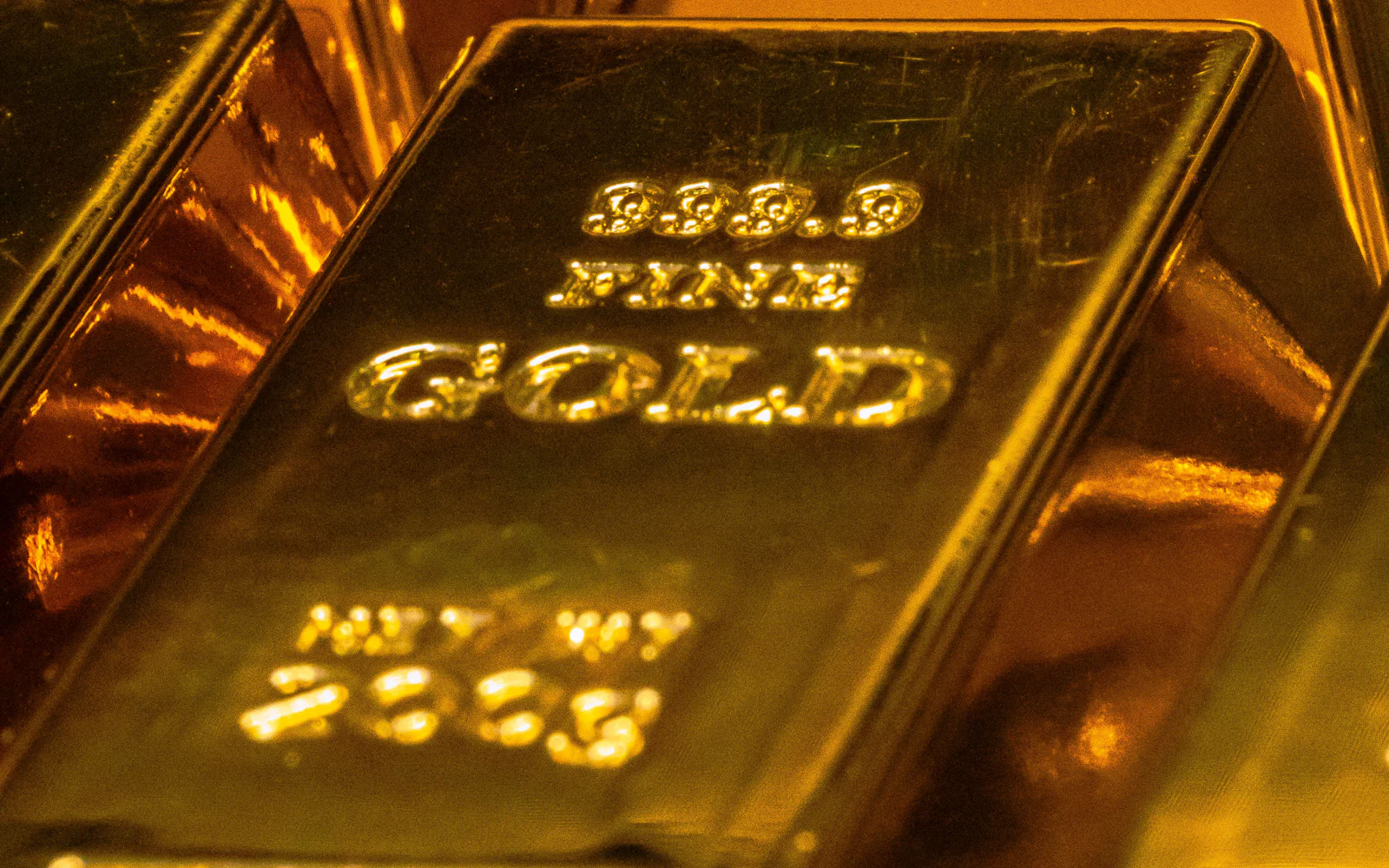
Turn over a ring or look closely at a bar and you will find tiny stamps. They are not decoration: they tell you how much precious metal the item contains — and sometimes who made it, who tested it and when.
Fineness numbers
Most countries mark purity in parts per thousand, often called millesimal fineness. The number is simply the share of pure metal out of 1,000.
| Stamp | Gold purity | Karats |
|---|---|---|
| 999.9 / 999 | 99.99% / 99.9% | 24K |
| 916 | 91.6% | 22K |
| 750 | 75.0% | 18K |
| 585 | 58.5% | 14K |
| 417 | 41.7% | 10K |
| 375 | 37.5% | 9K |
Some items, especially in the United States, are stamped in karats instead — 14K, 18K — and you may also see “14KP” for “plumb”, meaning the gold is at least the stated purity.
Silver and platinum use the same system: 925 is sterling silver (92.5%), 999 is fine silver, and 950 is a common platinum alloy for jewelry.
Other marks you may see
- Maker’s or sponsor’s mark — initials or a logo identifying the manufacturer or the company that sent the item for testing.
- Assay office mark — in countries with official hallmarking, such as the United Kingdom, an independent assay office tests the item and adds its own symbol.
- Date letter — some systems add a letter showing the year the item was hallmarked.
- Convention mark — a common mark recognised by the countries in the International Hallmarking Convention.
What a bullion bar should show
A properly made bar usually carries:
- the refiner’s name or logo,
- the weight (in grams, kilograms or troy ounces),
- the fineness, such as 999.9,
- a serial number, especially on larger bars.
Bars from refiners on the LBMA Good Delivery list are the easiest to resell, because dealers recognise them immediately.
Stamps that mean “plated”
These marks tell you the item is not solid gold:
- GP — gold plated
- GEP or HGE — gold electroplated / heavy gold electroplate
- GF or 1/20 12K GF — gold filled: a thicker layer bonded to a base metal, but still mostly base metal
- RGP — rolled gold plate
- Vermeil — gold over sterling silver
A stamp is a claim, not a guarantee
Very old or repaired pieces may be missing their stamps, so for anything valuable have a reputable jeweler or dealer test the metal — with acid, an electronic tester or X-ray fluorescence — before you buy or sell.
Turn a stamp into a value
Once you know the purity and the weight, the MetalFolio karat calculator turns them into a live melt value in your currency. Our guide to gold karats explains the formula step by step.
This article is for information only and is not financial advice.